
Specialty · Trauma & PTSD
Trauma therapy at the pace of your nervous system
You are not too much. You are not broken. What happened to you shaped how your body learned to stay safe — and there is real, non-dramatic work we can do together to help it feel safer now.
In person in Oak Lawn, IL & Marietta, GA · Telehealth across Illinois, Georgia & Florida

Trauma-informed care is the baseline across our whole team, not a specialty of one person. That means every clinician here has been trained to notice what a raised voice, a specific question, or a sudden change in the room can do to a system that's had to be vigilant.
For the specific work of processing trauma and PTSD, we draw from several evidence-informed traditions and let you help decide which door to walk through. Some clients want somatic tools first because their body is the loudest thing in the room. Others need narrative and cognitive work — putting language to what got stored without words. We meet both.
How we help
- Trauma-informed intake and pacing — you set the speed
- Somatic tools drawn from Symone Latham-Dior's Somatic and Person-Centered training
- Narrative therapy to re-author the story around what happened
- CBT for the intrusive thoughts, hypervigilance, and 'my fault' scripts
- Grounding and DBT-style distress tolerance for flashbacks and dissociation
- Culturally grounded care for survivors of abuse, sexual assault, and systemic harm
What working together looks like
A calm, human first step
-
1
Book a free 10-min consult
Tell us what's bringing you in — no pressure, no clinical detail required.
-
2
Match with the right therapist
We'll pair you with a clinician whose training fits what you need.
-
3
Start where you are
Warm first session at your pace. You choose what to share.
-
4
Grow — in person or online
Ongoing support across Illinois, Georgia, and Florida.
"For the first time I felt like someone was actually listening — not fixing me, just walking with me."
— Growth & Guidance client
Who our trauma work is often for
- Adults processing childhood trauma or neglect
- Survivors of intimate partner violence or sexual assault
- First responders, medical, and community workers with cumulative exposure
- Adolescents and teens navigating trauma alongside identity and school
- Clients whose PTSD symptoms have started to affect sleep, relationships, or work
Who on our team works with this
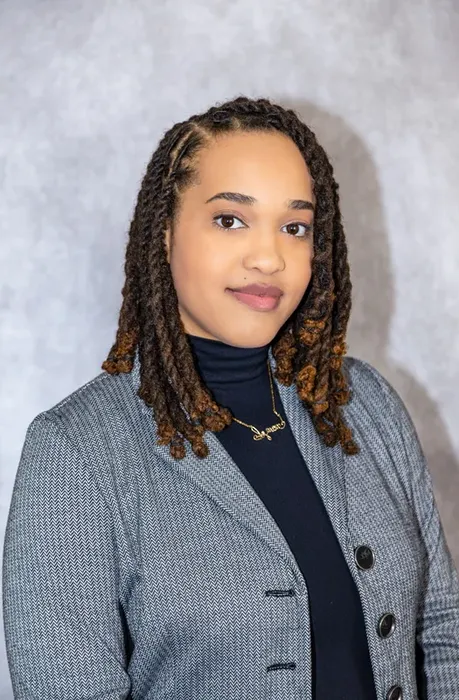 Symone Latham-Dior, MA, LPC
Licensed Professional Counselor
LPC with Somatic, Person-Centered, Narrative, CBT, and Trauma-Informed training. Advocates for abuse and sexual assault survivors and the LGBTQIA+ community.
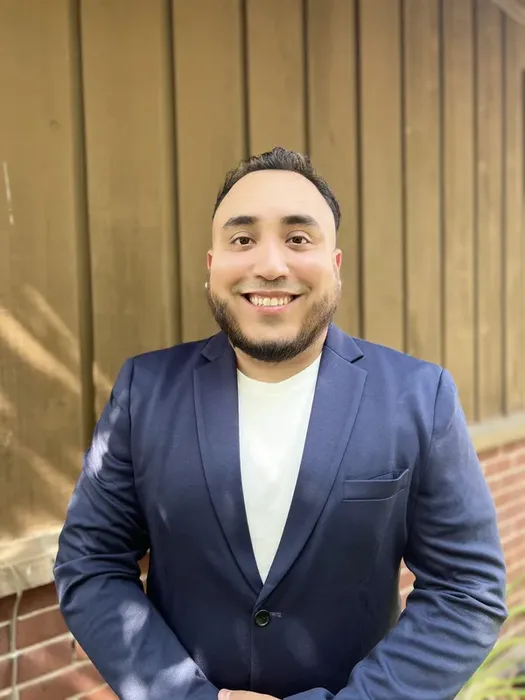 Serafin Guerrero, MSW, LSW
Counseling Therapist
Bilingual therapist whose specialties include trauma, self-harming, and suicidality.
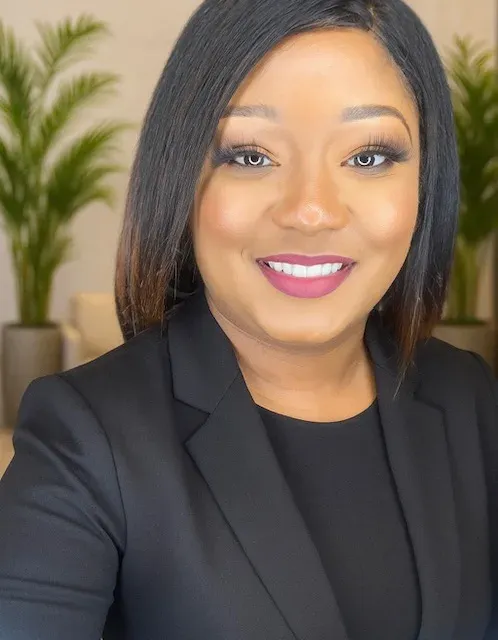 Sybria Davis, MSW, LSW
Licensed Social Work - Therapist
Trauma-informed care with CBT, narrative, and strengths-based approaches.
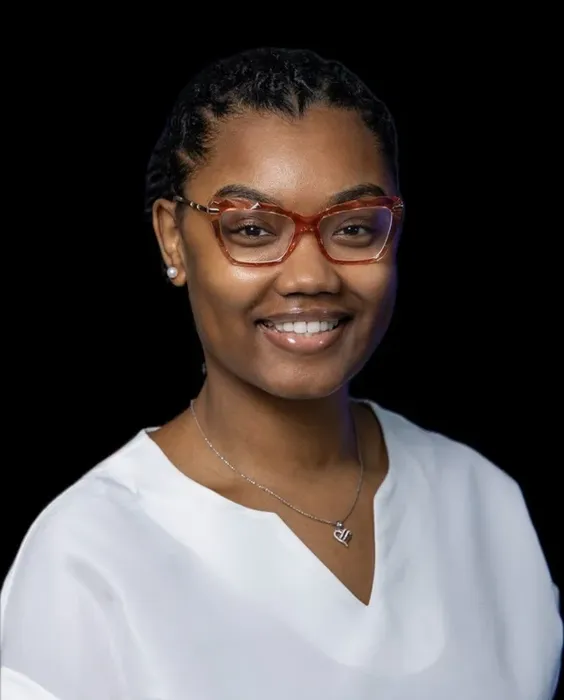 Yerre’Elle Patton, MSW, LCSW
Licensed Clinical Social Worker - Therapist
LCSW whose services include Trauma and PTSD, anxiety and stress, and mood disorders.
Common questions
-
Do I have to talk about what happened?
Not until you decide to, and not in the way people fear from movies. Trauma work here starts with safety — knowing your therapist, knowing what happens if a feeling gets big, knowing you can pause. Some clients tell the story eventually; some never say it out loud and still heal.
-
What's the difference between trauma-informed and trauma-focused?
Every clinician here is trauma-informed — meaning how we ask, listen, and pace is shaped by what trauma does to a nervous system. Trauma-focused work is more targeted (using somatic, narrative, and cognitive tools to process specific events). We can do either, or move between the two.
-
I don't have 'big-T' trauma. Does this still apply?
Yes. Chronic invalidation, medical trauma, systemic racism, family scapegoating, and being unsafe in your own body over time all live under this umbrella. If it changed how you show up in the world, it's worth naming.
-
Is this safe for LGBTQIA+ and neurodivergent clients?
It is. One of our licensed counselors, Symone Latham-Dior, explicitly advocates for victims of abuse and sexual assault, the LGBTQIA+ community, and people across the neurodivergent spectrum. Ask for a fit conversation and we'll match accordingly.
Not sure where to start? A 10-minute call is a low-pressure way to find the right fit.
This page is for information only and is not a substitute for medical or mental-health advice. If you are in crisis, call or text 988 for the Suicide & Crisis Lifeline.